How to Find A Skincare Allergy — Saying Goodbye to Irritation
What Causes Skin Reactions?
Unfortunately, this is where humanity’s strength works against us. We are all unique individuals – with our own routines, lives and experiences. And its these experiences that shape our skin reactions to things. Our body has to learn on its own what’s safe and what’s dangerous – with our skin being exposed to the very elements. When we put something onto our skin – most of the time, our cells recognize the benefits and are happy to absorb in the vitamins, ceramides and more.

Other times, your skin effectively decides that it is under ATTACK and it will NOT TOLERATE ANY MORE of this cream that you’ve bought. It sends in an army of soldiers (white blood cells) to spread a message (histamines) of redness, swelling, itching and heat. It’s a vital reaction our body has to invaders – but when it’s just an expensive cream you got online (and y’know not cholera), it can be a massive bummer.
In all cases, it's always best to cease using whatever product is causing the reaction – but better is using detective skills to figure out; what exactly is causing that reaction?
What Are The Signs of Skincare Reaction?
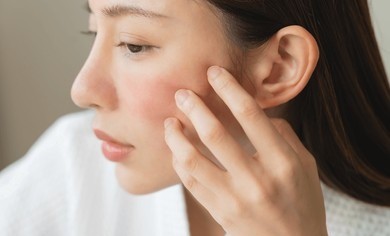
This is an important recognition process, especially if you use a variety of skincare products. Any product that causes redness, dry skin, irritation, itching, swelling or a sudden breakout of acne spots is causing a ‘reaction.’ This can range from dangerous ‘allergic’ reactions to a mild irritation and redness – and it’s important to remember that allergic reactions can worsen over time and must always be taken seriously.
You can distinguish this reaction from ‘actives’ (which can lead to mild irritation). Consider if the irritating product contains actives such as retinol, retinal, AHA/BHA, vitamin C. These can dry out and make skin ‘redden’, especially when used together or in high concentrations. Try to use actives correctly, only in the evening and never together.
But for true irritation – it's always best to cease the product entirely to long-term skin damage.
Common Culprits
If you are getting frequent irritation or redness in response to skincare products – it's important to check in with your GP or doctor to make sure it's nothing more serious. If it’s the occasional breakout or redness – feel free to play detective on your own to ensure that the next product you buy delivers results.
Fragrance – this is a super common cause of irritation. This is often as fragrance is a chemical compound added to a product to give it a pleasant ‘scent’ - but these synthetic fragrances are not recognized well by skin cells and often lead to a reaction.
Preservatives – similarly, preservatives can range from natural compounds to prevent product degradation, to more irritating compounds. The most common in skincare products is ‘parabens’ or ‘benzyl alcohol’ which can be quite irritating.
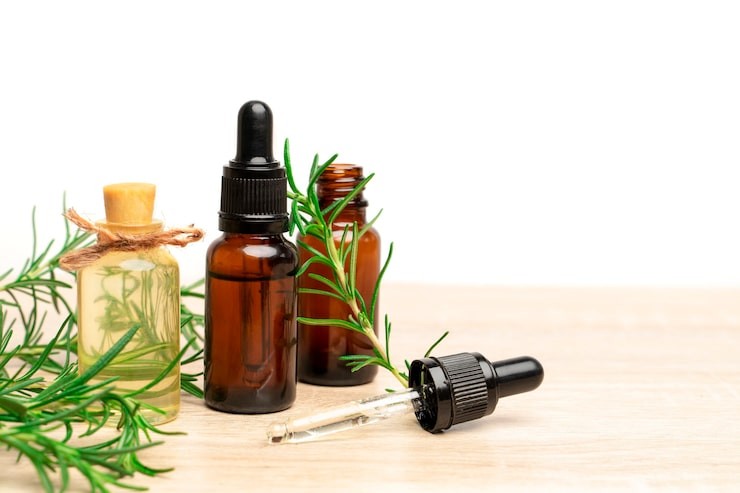
Essential oils – this is a very common cause of irritation, especially in acne-prone skin. It’s also found in a large portion of Korean cosmetics (as they are a big fan of natural plant extracts).
Niacinamide – oh no. It’s in everything in 2025, but it’s actually a common skin irritant. Especially when its present in everything, if you’re struggling with eternal redness and irritation, it might be time to clear the niacinamide from your skincare routine.
Butylene glycol – a more rarer allergen, but an important one to note (because it's also in a lot of skincare products). It acts as a gentle moisturizing agent, but can be one to avoid (especially if moisturizers cause you to breakout).
Although these are more common culprits - a large variety of skincare ingredients can lead to sensitivity and outbreaks in individuals.
Triangulate Your Ingredient List
A skincare product breaking your healthy skin biome can be devastating – but there is one great thing with this method. It should only happen 3 times in your life (for good accuracy). With this method – when you’ve tried out products that lead to irritation, breakouts etc., be sure to stop using the product – but check out the ingredient list.
On my skincare journey – I had a reaction/outbreak to 3 different products (which were infuriatingly perfect for sensitive and acne-prone skin).
Once you eliminate the offending ingredient, focus on repairing your compromised skin barrier with simple, non-irritating formulas like the Dr. Althea 345 Relief Cream.
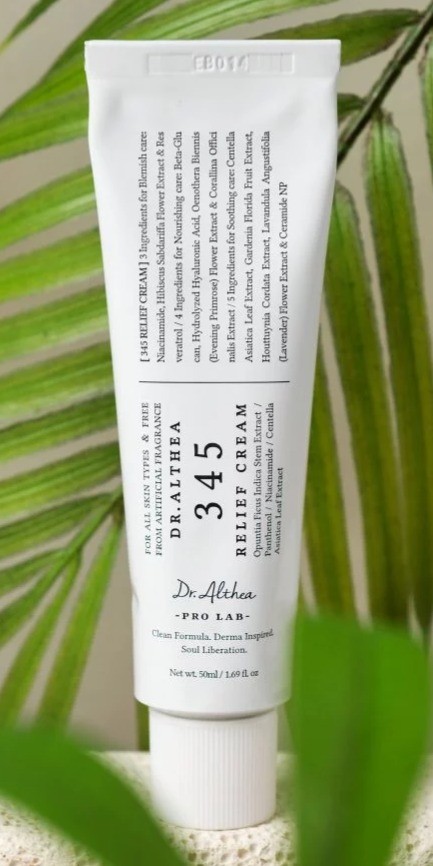

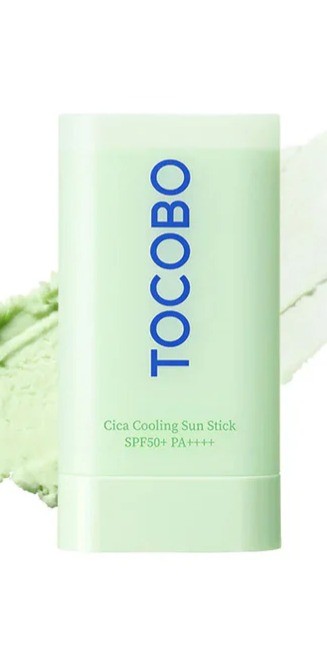
Dr Althea 345 Barrier Cream
Skin1004 Madagascar Centella Cream
Tocobo Cica Cooling Sun Stick
The more variety you have in your products – the better. Create a list of the ones you remember the most prominent reaction to and create a side-by-side ingredients list.
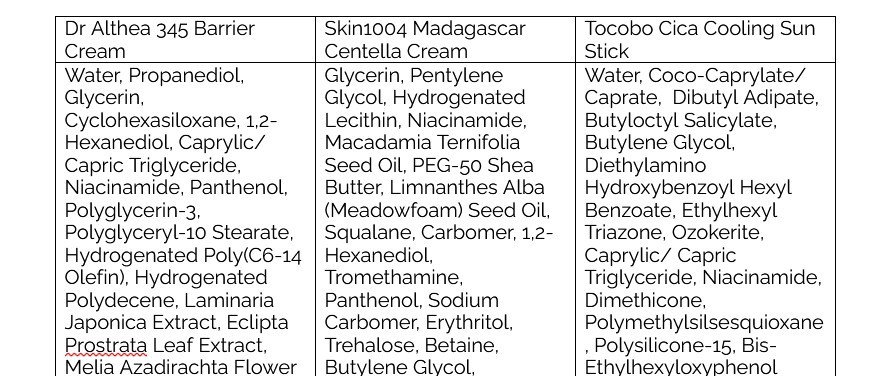
Go down the list and carefully highlight the ingredients that appear in all 3 product lists. The easiest way to do this is to pick the shortest list and eliminate whatever doesn’t appear in all three product lists. It’s also good to eliminate water or other common ingredients that you already are comfortable with.
For my trio, we ended up with a few common suspects:
Caprylic/ Capric Triglyceride, Niacinamide, Centella Asiatica Leaf Extract, Sodium Hyaluronate, Butylene Glycol, Ethylhexylglycerin, Adenosine

Method 1: Suspect List
This is the method if, generally, your skincare routine is helping you thrive. If you are not struggling with red spots, irritation or redness - you can compare this list of shared skincare ingredients to your already soothing skincare routine.
In an example routine below, you can see what ingredients are being used on a daily basis and are already safe for you to use.
(1) Beauty of Joseon Green Plum Refreshing Cleanser
- contains Ethylhexylglycerin
(2) Mixsoon Centella Toner Pad
- contains Butylene glycol, Centella asciatica
(3) Skin1004 Centella Hyalu-Cica First Ampoule
- contains Centella asciatica, Butylene Glycol, Sodium Hyaluronate, Ethylhexylglycerin, Adenosine
(4) Celimax Dual Barrier Skin Wearable Cream
- contains Caprylic/Capric Triglyceride, Butylene Glycol
With this method, we can conclude that ‘Niacinamide’ might be the irritating agent. It doesn't prove it conclusively, but it can help you choose skincare products in future - by keeping this in mind.
Method 2: Elimination Method
This is the harder method and requires deep attention to skincare ingredients. It requires eliminating the above list from your skincare routine and really going back to basics.
This is what I did to try to solve the mystery of my skincare irritation. Months of red spots and varied irritation had me pairing back my routine to a simple cleanser, toning pad and serum to moisturize. It's important to watch to see if your skin irritation goes away with this simple routine - to ensure that you have found a skin friendly routine.
Once you note your skin clearing - you can slowly add in the above ingredients bit-by-bit. Save your most likely suspect for last - to maximise the chance of success.
Method 3: Spot Testing
This is the quickest (but most dangerous) method to test out an ingredient's irritation for your skin. I generally don't recommend it above the others, but if you just have to know - it's essentially spot testing out your irritating ingredient directly on your skin.
From using the above methods, I had one strong suspect that was causing my repeat break outs - Centella asciatica. It's found in a wide, wide range of Korean beauty and is incredibly beneficial for your skin (especially acne). But an allergy is your individual skin's reaction to something (and can be to anything - no matter how soothing).
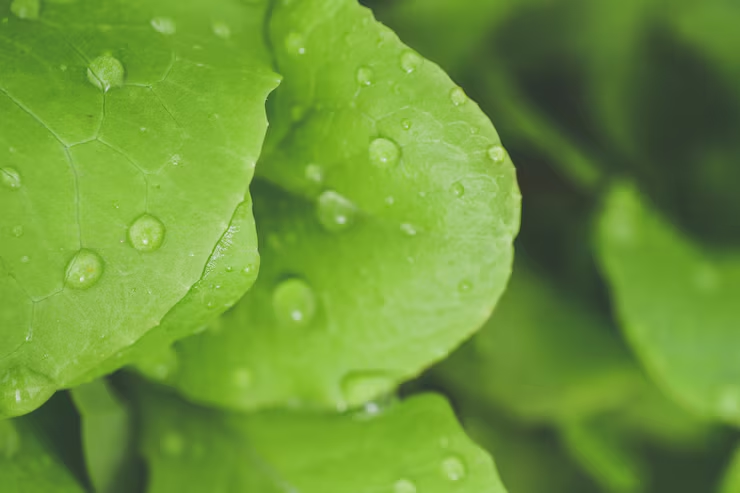
So, I had my suspicion that centella was a causative agent - but I didn't know. So, I got a sample pack of centella asciatica ampoule and put a spot test on my cheek. The next day, low-and-behold, there was an eruption of little bumps and irritation on the exact spot I applied the product. It helped confirm - centella asciatica was causing my own personal skin allergy.
You cannot use this method if you have any serious allergies or have had a strong responses in the past (consider wide rash, itchiness, swelling of face or tongue, breathing difficulties or any signs of anaphylaxis). It's important to be safe - and testing for severe skin allergies can be done safely by a GP or dermatologist (without risking your health).
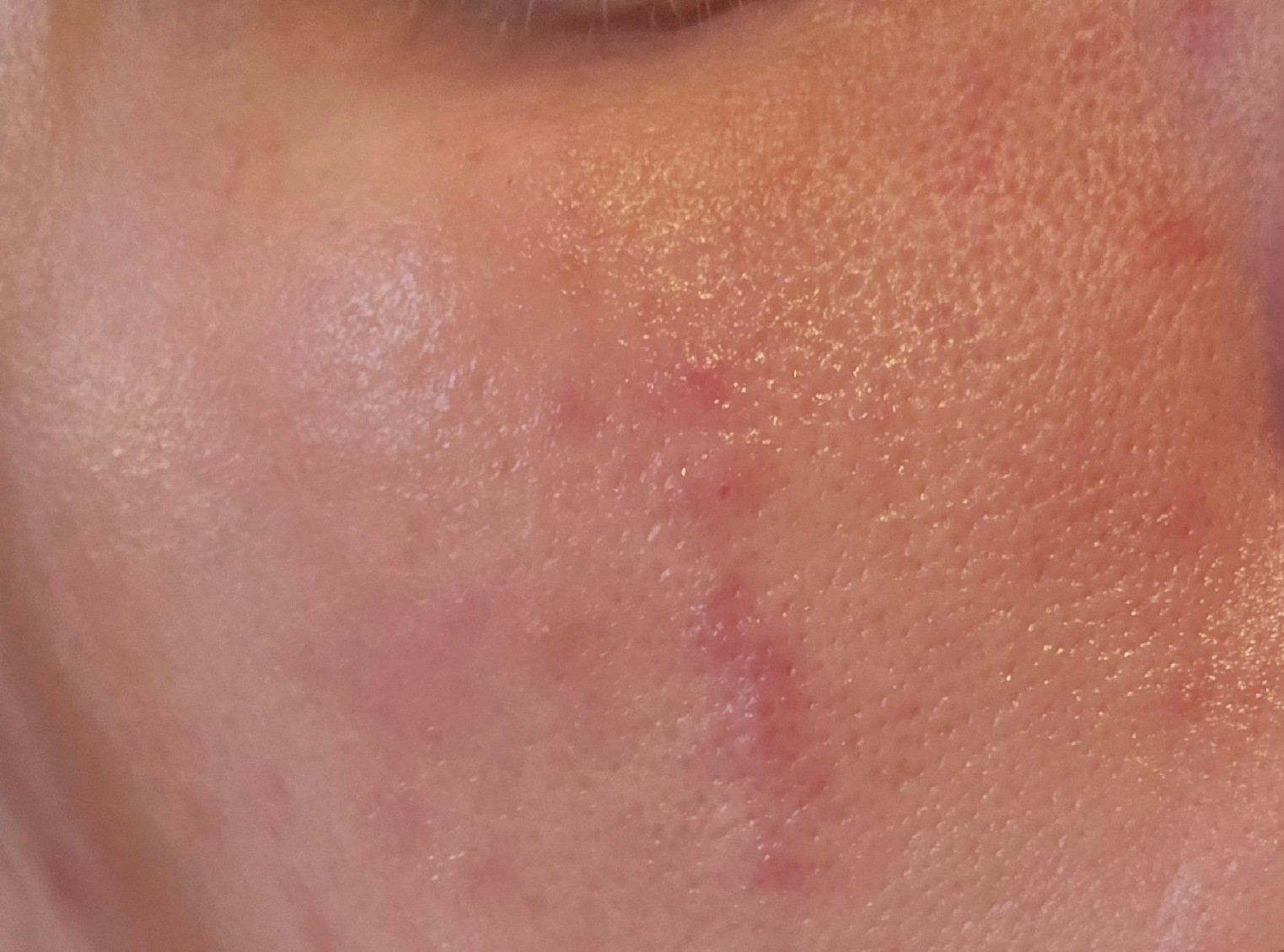
Here's the spot test result - and you can see the immediate inflammation, redness and quick effect the irritant had. It allowed me to confirm centella was not for me and had to be taken out of my daily routines for good.
Removing centella from my routine has led to my clearest, calmest skin yet. I no longer get random and angry break-outs that are unexpected - instead just normal, small breakouts due to stress or when I miss out on my routine.


Finding an allergy in your skin is a journey and this is the difference of two months - being more considerate of my routine, being sure to avoid aggravating products and substituting in healing, soothing probiotics to help strengthen and clear skin.
It's a vital step for taking control of your skincare - as otherwise, no matter how much you buy or effort you put into your skin, there will always be something holding you back. So, if you're struggling with red spots and persistent irritation - could it be an allergy?
Skincare is a Journey
Although it can be frustrating, remember that skincare is a long journey. It took me two months of dedicated searching and testing to find out what was causing my irritation - and that was with knowledge about skincare ingredients, the science of skincare and allergies.
If you're struggling to understand your skin, it's always worth considering checking in with a GP or dermatologist - as they are able to run a few tests or quickly recognise what might be causing your personal skincare concerns. Otherwise, if you're getting frustrated - always start with paring your routine back to just 2-3 products and see if you can tackle the source of your irritation.
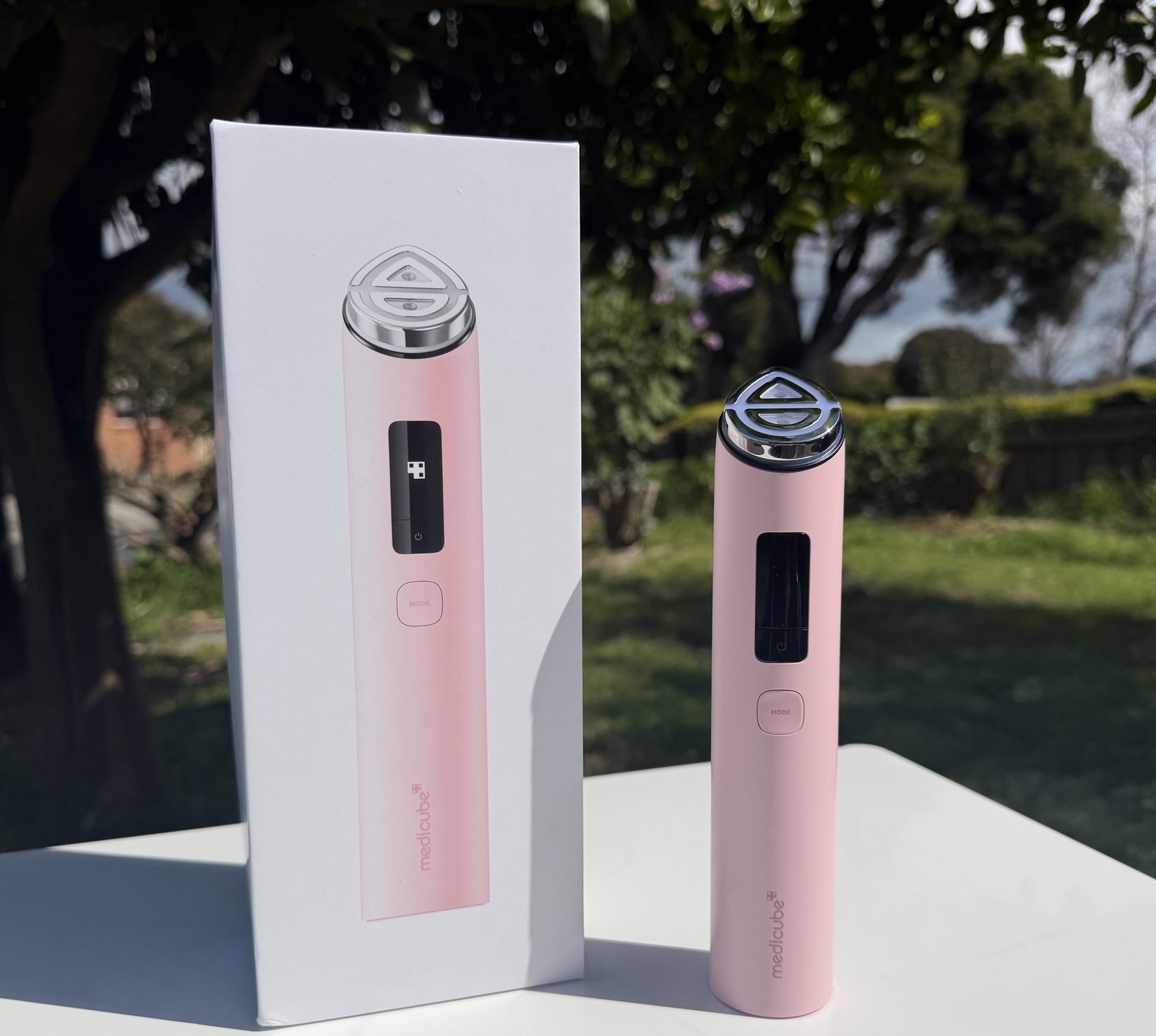
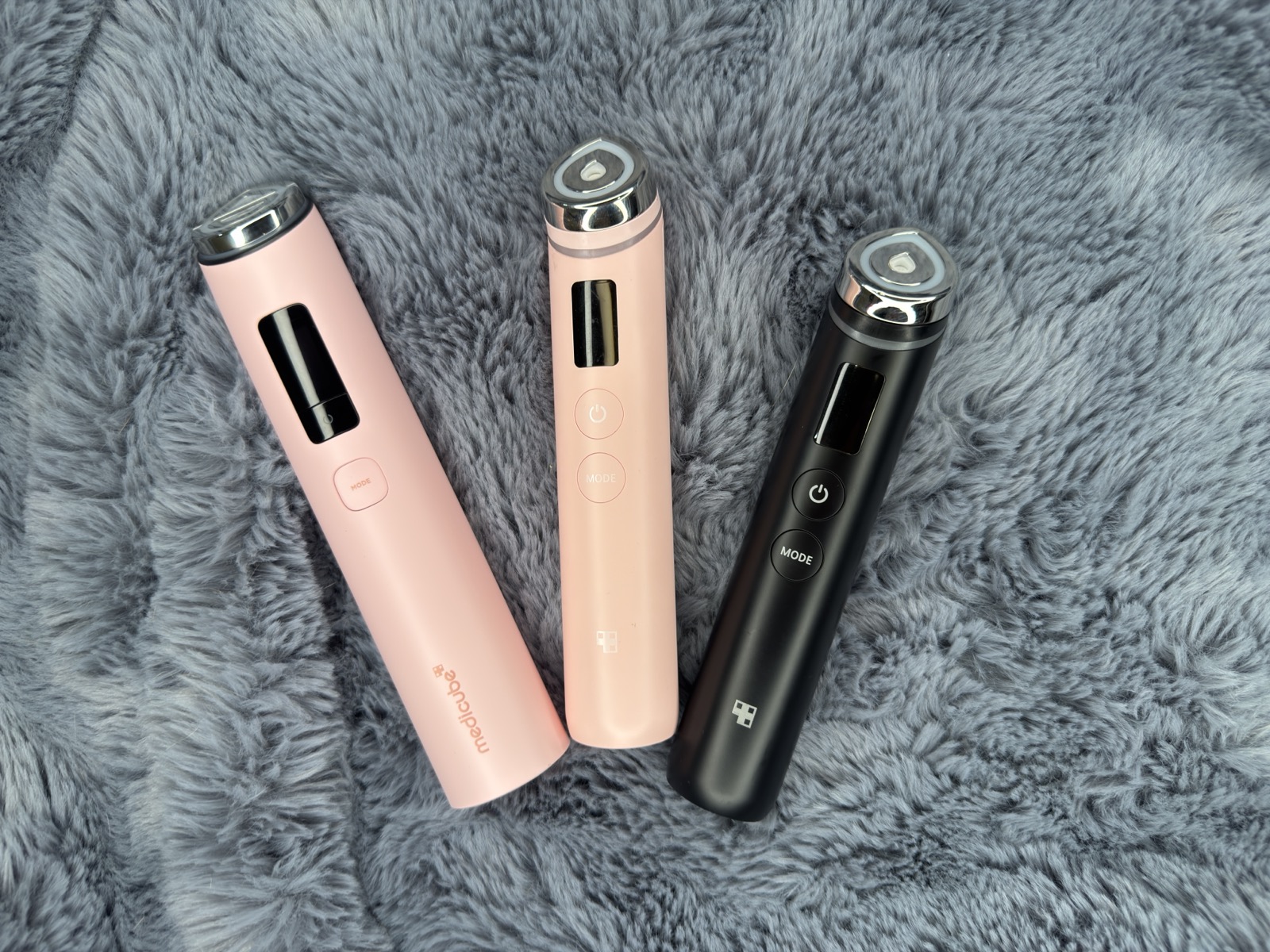
Pause device usage during an active flare-up, but once irritation subsides, you can safely resume using the Medicube Age-R Booster Pro on gentle modes to support hydration absorption.
Need a little help to start your skincare journey? Have you asked Pogi yet? He's your new AI skincare assistant, designed to help you navigate different skincare products and how to use them. He can also put together a multi-step beauty routine - tailored for your exact skin type. Check him out with the link above!
Skincare Ingredient Allergies - FAQs
What is an Allergy to Skincare Ingredients?
It’s important to note that there are different kinds of allergic responses – which can range from small (little bumps and irritation) to a systemic allergic response that can be life-threatening. Your skin is a unique biome that responds differently to different ingredients. An allergy occurs when your skin flags a specific molecule (i.e. centella, butylene glycol, lanolin) as a danger and reacts inappropriately to it. Skincare products cause the highest instances of skincare allergy (56%) and its important to be thoughtful about what you use.
What Does a Mild Skincare Allergy Look Like?
A mild skincare allergy or intolerance can look very similar to acne – small, raised bumps of irritation or small red patches that look a lot like acne blemishes. These can present as persistent acne that ‘flares’ in response to using new skincare products. They are a sign you should cease using the product immediately, at risk of worsening skincare reaction (i.e. swelling, spreading rash, itching, stinging and flaking).
Any systemic signs (i.e. spreading beyond the face), facial swelling or vomiting/diarrhea are potentially life-threatening reactions and need to be assessed by a doctor. If at any point you have difficulty breathing or a swollen tongue, you should attend an emergency department as these are signs of life-threatening anaphylaxis.
How to Find a Skincare Allergen?
Struggling with skin irritation? The best way to find out what might be irritating your skin is to take careful note of the ingredients of the irritating product, stop using it and compare it to what does work well for your skin. This helps eliminate ingredients from suspicion that do work well for your skin. It helps you be more confident in what is safe to use and helps you be more suspicious of irritating agents.
What Ingredients Cause Skincare Irritation?
Struggling to think of what’s causing your skin irritation? Common suspects include artificial fragrance, certain preservatives (think parabens), essential oils (a very common one in K-Beauty!), lanolin, sunscreen filters (octocrylene, benzophenone), vitamin E, propylene glycol. Also examine specific extracts – such as heartleaf, centella, limonene and botanical extracts as these can be uniquely irritating for your skin type.
If you cannot figure out the source of your irritation, reduce your skincare routine to only a safe cleanser and moisturizer (with an incredibly simple formula that is safe for sensitive skin). Ensure your skin is clear with these (no signs of irritation or redness), then slowly re-introduce your other favourite products. Anything that causes a flare should not be used on your skin!