How to Care for Curly Hair | Guide to Light, Healthy Locks
What is Curly Hair?
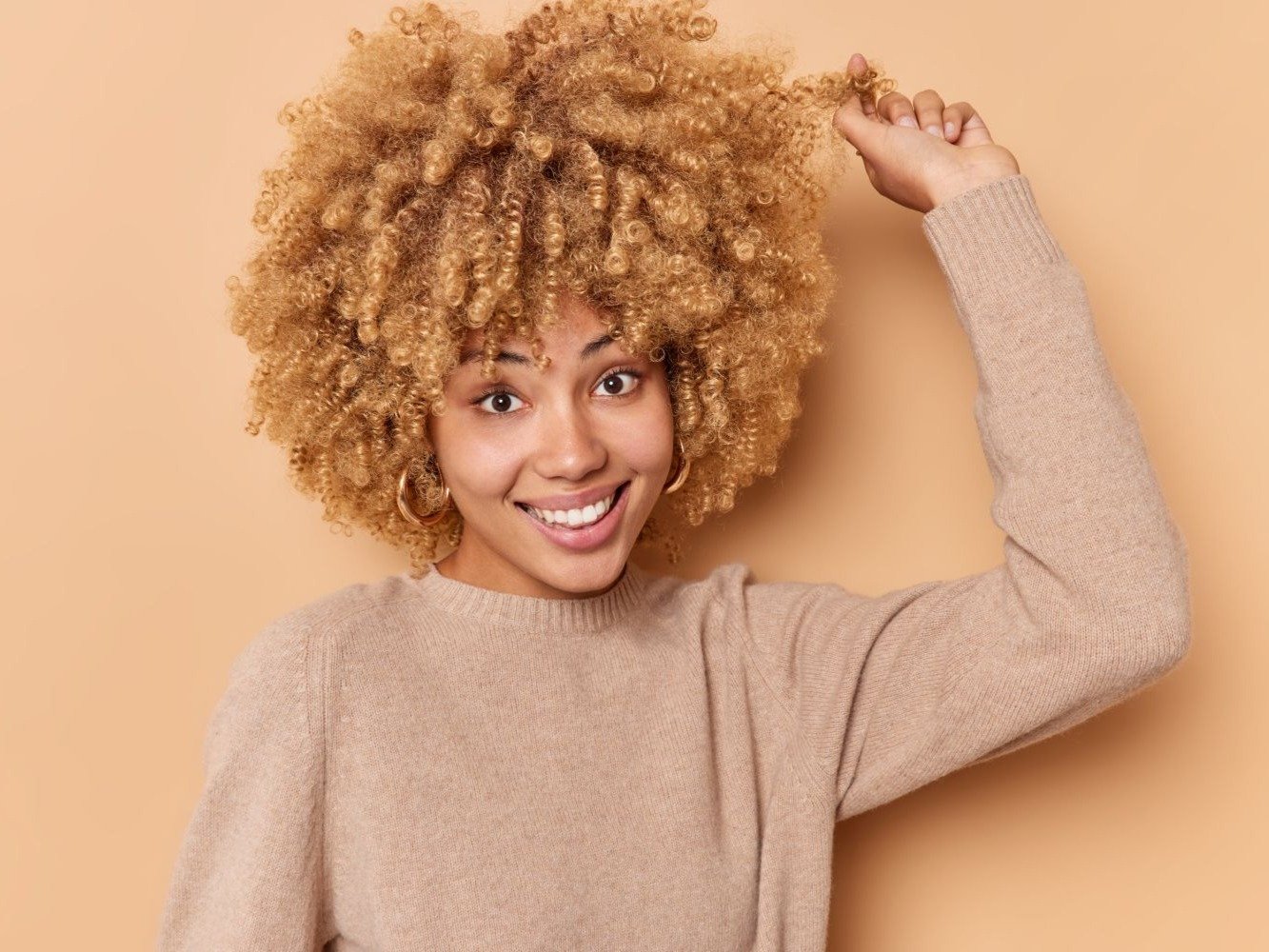
Curly hair is formed originally from the follicle. Straight hair comes from round follicles, where curly hair comes from oval-shaped follicles. This uneven shape allows deposition of keratin to form in more complex layers, bending or coiling the shape of hair. This keratin deposition also determines ‘curl pattern’, which is the natural shape your hair locks form when drying.
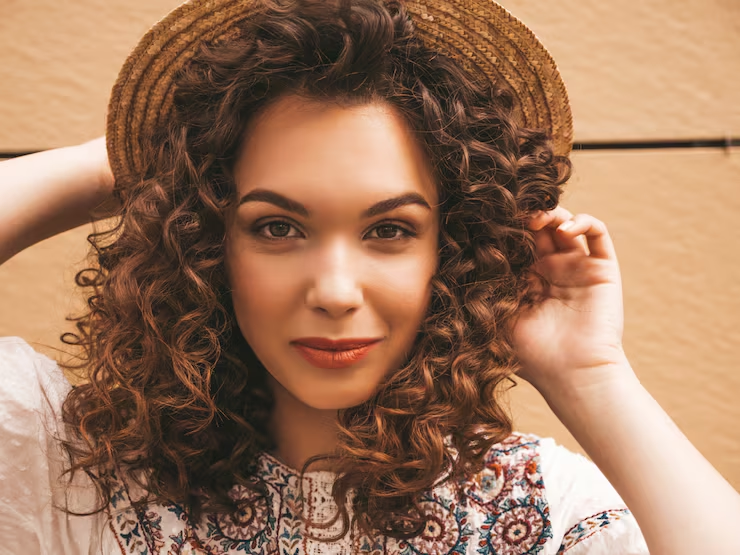
It’s important to know that curly haircare is different than caring for straight hair and trying to treat one as the other can lead to damage and loss of natural shape and texture. Straight hair is typically more fine and silky, with an even coating of keratin on the outside. Curly hair is actually more brittle and weaker due to this uneven coating. Also oils from your scalp are less likely to travel to the ends, creating risk of frizz and damage.
Finding Your Curl Pattern
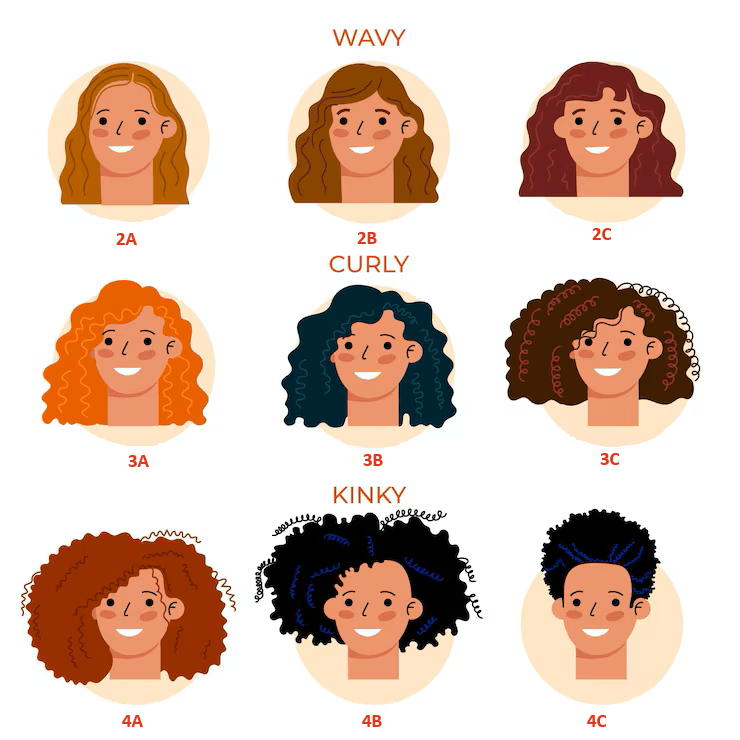
Finding your hair type can clue you into better products and treatments for your individual hair. The most current classification system for curls runs from 2A to 4C (classifying 9 common curl patterns).
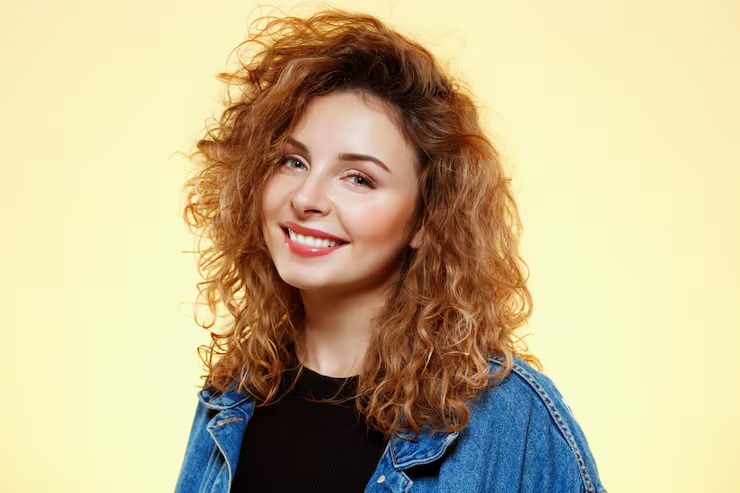
Type 2: S-Shaped Curls
These are curls that don’t form ringlets but instead are waves that form little ‘licks’ to the edges of hair. This hair type requires gentle moisture, but light products that don’t weigh down hair. It typically gets more oil build-up than other curl types are requires ~4x weekly washing. A clarifying shampoo is best to prevent build-up. Use the ‘scrunch’ method after washing hair and add a light hair serum to hydrate for shiny curls.
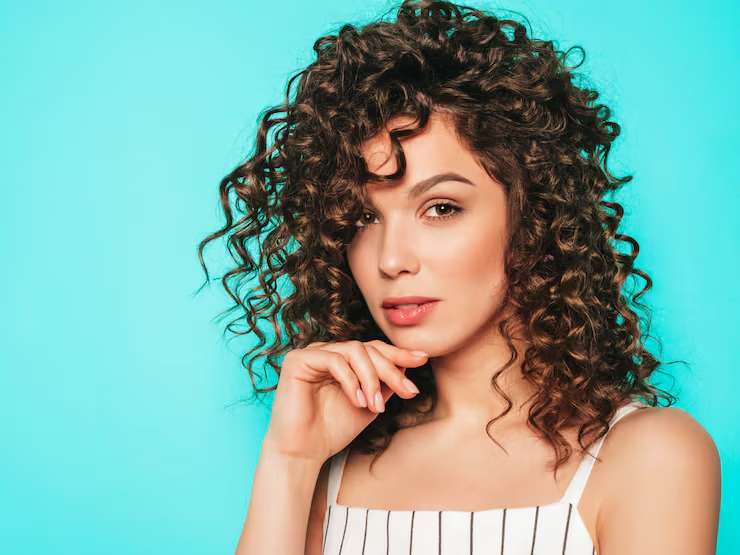
Type 3: Ringlets
These are curls that form soft ringlets of various sizes. 3A curls around the size of a small coin, 3B the size of a Texta and 3C a pencil. These curls require sulfate-free products, using silk hair-ties and pillows to prevent damage and only requires washing 2-3x weekly to prevent build-up. Add a weekly hair mask to lock in moisture and prevent hair breakage or drying.

Type 4: Coils
These curls are tight and can have various textures, requiring very gentle and well-researched care. It’s all about moisture, deep products and very soft cleansers. Before shampooing, apply a hydrating hair oil or conditioner to strands (especially to ends) to protect from shampoo. Only use a hydrating shampoo for this hair type (as others can strip and damage the follicles. Especially use sulfate-free, moisturizing shampoos rich in shea butter, honey or coconut oil). Apply a small amount to fingertips and gently massage into scalp, before rinsing well.
Use a rich conditioner and only detangle hair when wet, with a wide-tooth comb (gently brushing from ends and working up to roots). Layer hair with hydrating oils or style whilst drying. Use night protection and work with an experienced hairdresser who specializes in type 4 hair (it’s worth it!)
If you experience oily roots or scalp flaking alongside dry curls, see our full test in the Nineless Root Biome Caffeine Scalp Shampoo Review
How to Wash Curly Hair
For standard washing, it’s always important to focus on scalp care and maintaining hydration. Start with conditioner on the ends of very dry hair and massage. Then apply a coin-shaped dollop of shampoo to the palm of your hand and mix with water to create a light foam. Then carefully massage shampoo into your scalp, being sure to get in between strands of hair and refresh oil build-up.
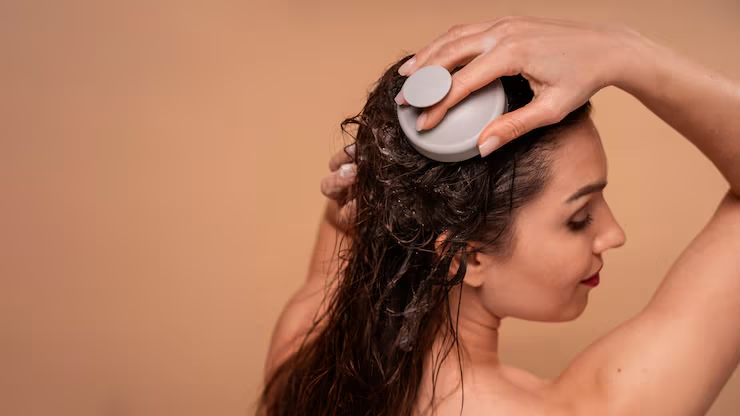
Rinse scalp carefully and re-apply conditioner to the very ends of hair until it feels soft and hydrated. It’s also vital to detangle hair only when wet, as this will prevent damage and breakage. Use a wide-tooth comb (not fine bristles) and gently comb out the tangles in hair and remove excess strands (to avoid hairfall during the day). If you have long, curly hair always start at the ends and detangle your way up to the scalp.
Style Methods
Scrunch Method
This method is vital to getting definition, especially in type 2-3 hair. It works best on thinner hair, as it will dry quicker and without need for any heat. After washing hair, while its still damp, apply a serum or curl cream to the ends and gently scrunch hair up to separate hair out naturally into locks.
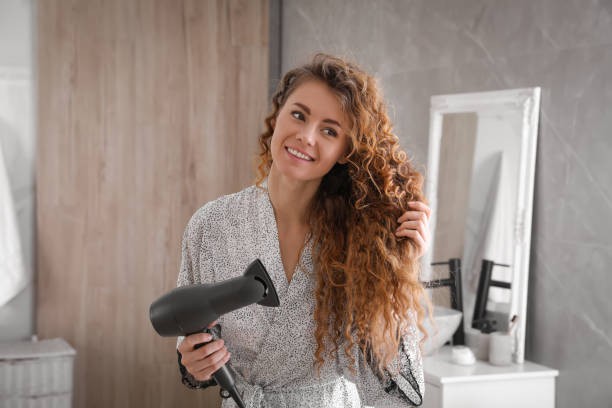
As it’s drying, however, try not to touch it as this can add frizz. Once curl cream is in place, just leave hair to air dry (gently lifting curls at the scalp to allow air flow and more even drying). This method is ideal for thinner, lighter curls and allows better formation of S shape without risking frizz.
Coiling Method
This method is better for more defined ringlets and helps create neater curls in your natural pattern. Apply curl cream to both palms of your hands and gently clasp around damp locks of hair and carefully draw your hands downwards along the lock of hair to evenly apply product (known as Prayer Hands technique). Apply product slowly and evenly throughout your hair to give hydration and create an even seal. Then grab a natural lock of hair and gently coil around your index finger, starting from the scalp and working your way down to the ends (creating even tension).
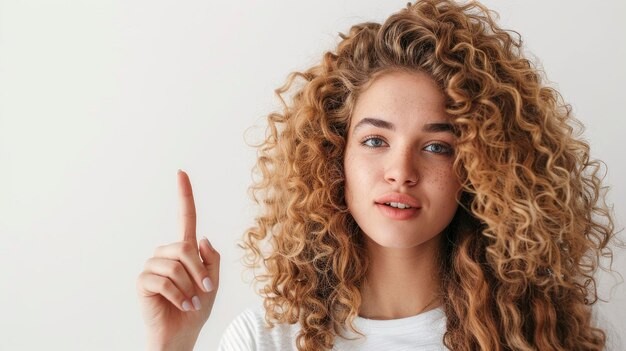
Gently release the coil and repeat with key strands, working your way around your head. Try to match how it naturally curls, matching the direction and holding them in the natural clump of hair. Then gently scrunch the ends for definition and either leave to air-dry or diffuse.
Diffusing Hair
After washing hair, apply an even coat of hydrating product to protect hair; such as leave-in conditioner, curl cream or gel. Don’t forget to apply a heat-protective spray to hair, to prevent damage to delicate hair. Diffusion can be applied to all curls, but is better for thick and heavy curls (for even drying).
It’s worth investing in a good diffuser, especially if you have type 4 hair, as attachments or a cheap product can create frizz and risk damage to hair. Attach diffuser to scalp and flip head upside down to gently push hair up towards scalp and create natural stretch and definition. Then cup individual locks of hair and lift towards scalp, drying for 10-30 seconds before turning diffuser off and slowly releasing hair. Repeat for individual locks and slowly create definition and curl pattern.
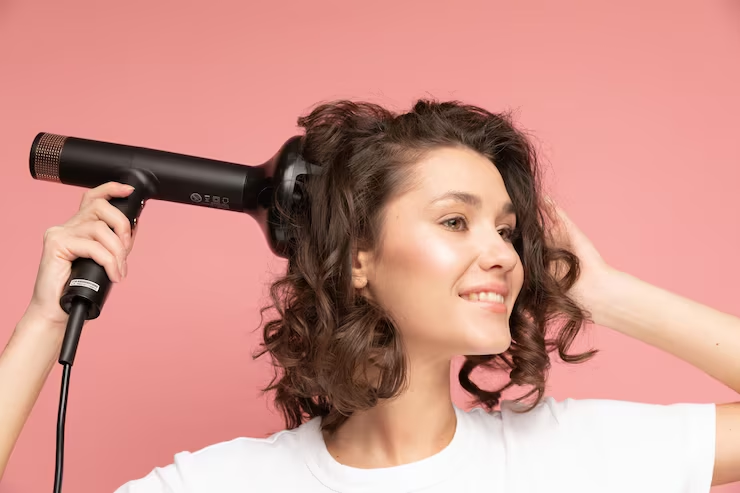
Remember to stop before hair is ‘dry’ as it can quickly over-dry and turn frizzy. If hair is starting to look dry, quickly switch to a cool setting and gently hover over scalp to ‘set’ hair and prevent further change to definition.
A diffuser can be a great tool for curly hair, but is a better investment in thick ringlets rather than wavy type 2 hair or fine hair (as it tends to over-dry too quickly and minimizes benefits).
Best Korean Hair Products (Tested by Us!) For Curly Hair
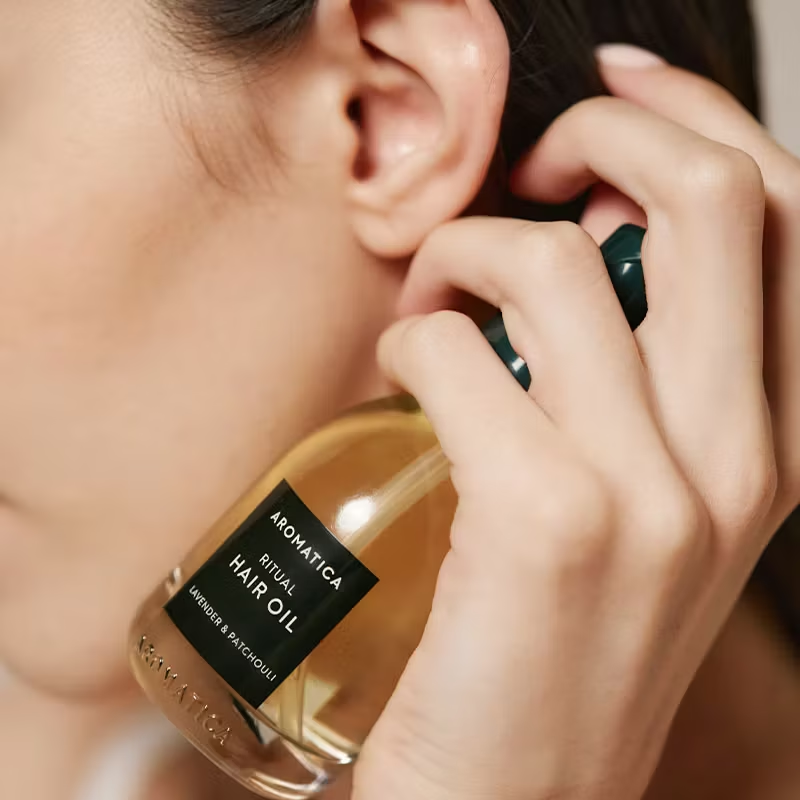
5. Aromatica Ritual Hair Oil Lavender & Patchouli
This rich oil is perfect to coat and protect thick, curly hair for a deep refreshment. Rich with over 8 botanical oils (including moringa, coconut and rosehip), this hair treatment also contains lavender and patchouli extract for a deep, meditative scent that will keep your hair smelling rich and refreshed for days. This coating also helps protect hair from over drying and from heat styling tools.
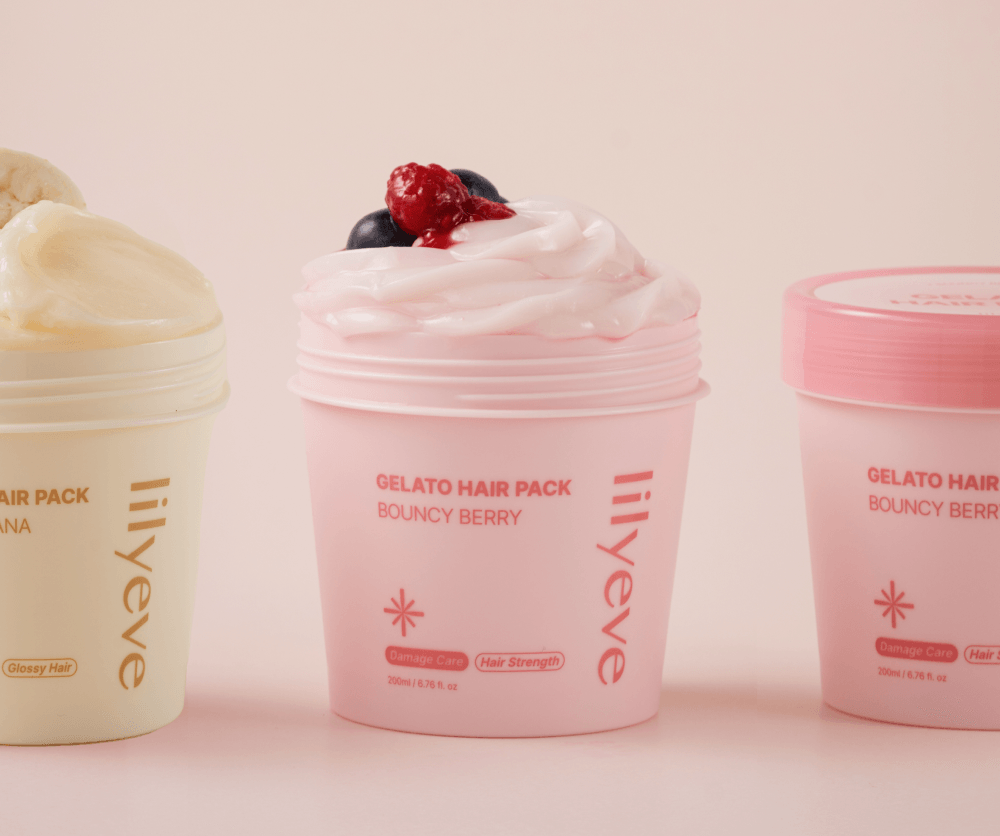
4. Lilyeve Repair: Turn Gelato Hair Pack (Bouncy Berry)
This yummy ‘gelato’ hair mask is the perfect counter to dry and damage that comes with curly hair. Infused with berry extracts and rich milk proteins, it helps smooth frizz and improve bounce to curls for a refreshed and lively radiance.
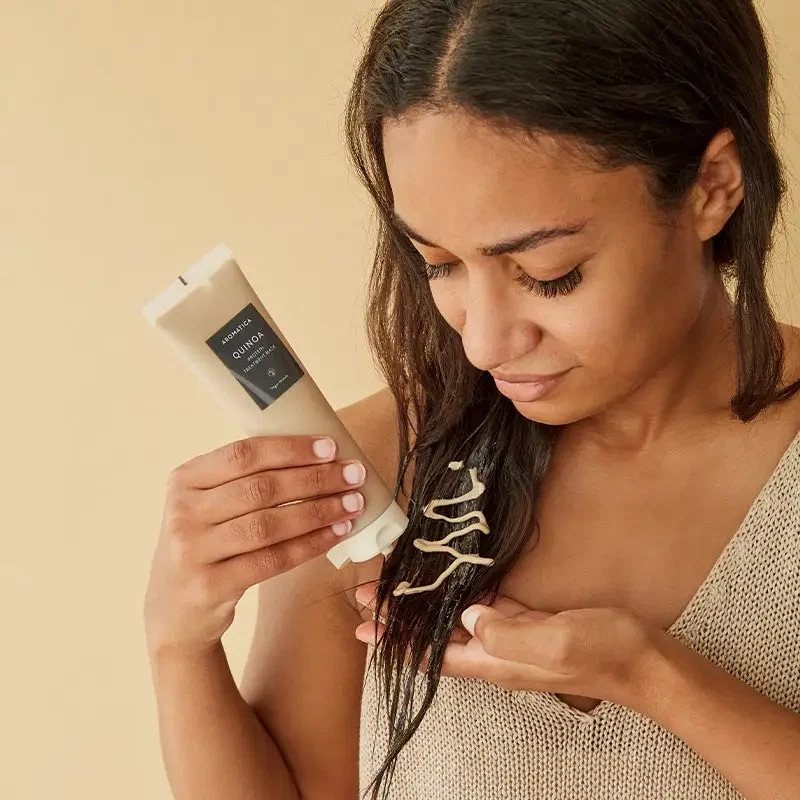
3. Aromatica Quinoa Protein Treatment Mask
Looking for that rich weekly hair mask? This rich formula is boosted with biotin and Quinoa, providing rich proteins to hair strands to restore damage and create smoother, rich locks. Boosted with coconut oil, it helps create smoother, more defined hair and richer hydration with each use.
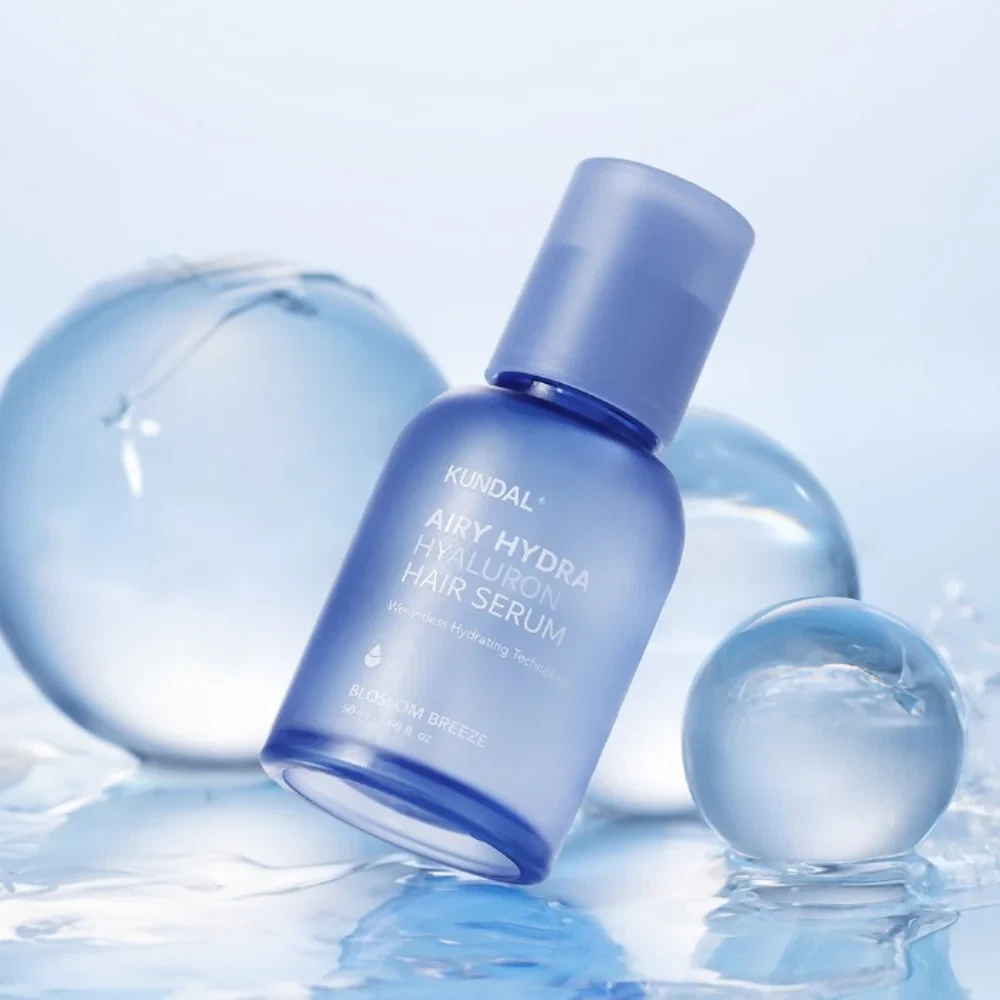
2. Kundal Airy Volume Hyaluron Serum
For lighter hair, this serum is a whisper-light formula that will give you definition, vanish frizz and restore hydration without weighing down curls. Boosted with marine extracts to enhance natural shine, this serum is the lightest in K-Beauty.
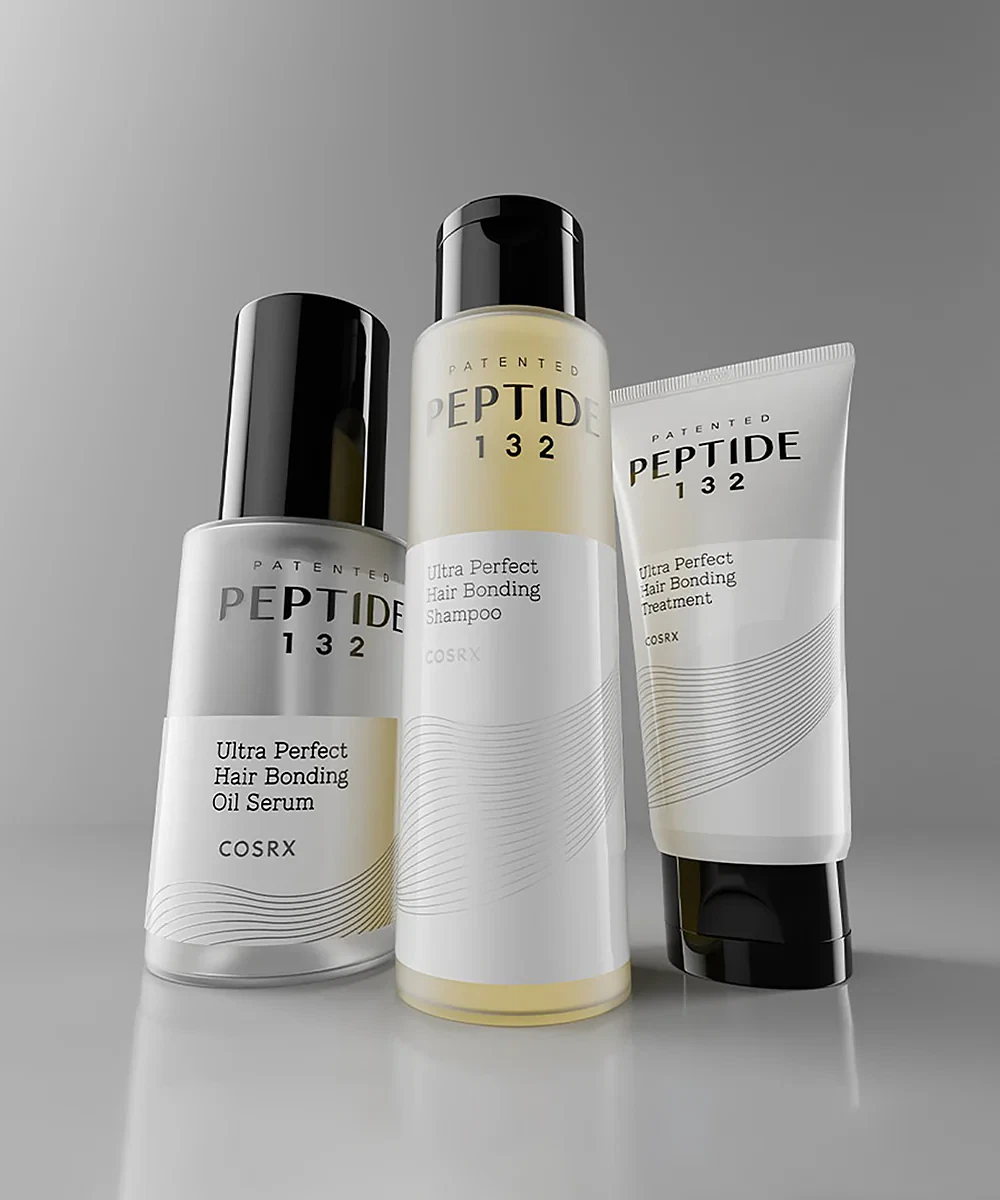
1. Cosrx Peptide-132 Hair Care Trio Set
If you struggle with frizz and damaged hair, and want deeply soft hair, Cosrx Peptide-132 Hair Care Trio Set has got you. The shampoo helps create stronger and softer hair with each use, whilst clearing the scalp and moisturizing strands. The treatment provides a deep protection of hair strands, whilst the serum provides a light and radiant finish for ringlets and curls. This hair set is the best in K-Beauty at obtaining lusciously soft curls and hair.
Although caring for curly hair can be a lot of effort, it's really really worth it! Once you get those weightless, everyday locks and fall into good habits, you'll have effortless style everyday!
Just remember the mantra of curly hair is gentle care, never brush when dry and deep hydration.
Looking for vibrant Korean hair products? Check out the range available on Arktastic - all shipped from Seoul for the authentic K-Beauty experience that you deserve!
FAQs - Curly Hair Care
How Do You Brush Curly Hair?
It’s vital to always remember to brush curly hair when damp or in the shower. This is because due to its kinked appearance, strands don’t have an even protective coating of keratin on the outside. This means, brushing dry strands is less likely to be smooth and carries a higher risk of tearing and damaging hair, whilst also creating a ‘frizzed’ appearance. Once hair is dry, the style should be set. Therefore, it’s important to always get hair into shape whilst still damp and then finishing with a diffuser or letting it air dry.
What Ingredients Are Good for Curly Hair?
The best ingredients focus on penetrating strands and providing deep hydration, whilst also smoothing out rough cuticles for smooth, shiny hair. Try to pick argan oil, coconut oil, jojoba oil, hyaluronic acid, aloe vera, flaxseed and vitamin E to strengthen and improve natural radiance. Try to avoid using any shampoo or treatments with sulfates as these harsh cleansers create a ‘straw’ texture and can lead to dull hair and damage.
What to Avoid in Curly Hair?
Try to avoid using tight hair ties and styles that can lead to breakage as well as brushing when dry. Also try to avoid over-washing and drying out strands, as this will effect curl pattern and hair health. Pick clarifying shampoos if you are worried about build-up and try to implement a hair mask once a week to help hydrate strands.
If you use heated hair styling tools or treatment, always cover hair in a protective product first and try to avoid colouring or bleaching hair too often, as this also weakens natural curl pattern.