Evolution of Korean Beauty (from Traditional Ingredients to Innovative Experiments)
Korea has ancient roots, having existed as a nation and culture for over 4000s years. Ruled underneath different dynasties, rulers and times, there are a few elements that remained consistent throughout the ages. Beauty standards, although they were always present, have become more stringent (and at times very stressful) for Koreans, creating a hot pot of innovation and science that required their skincare to evolve.

The Joseon Era
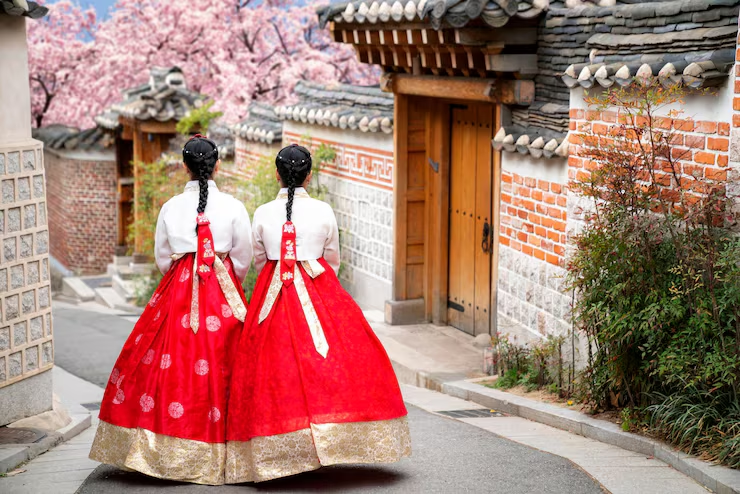
Lasting for over 500 years, the Joseon era was a massive time of change in core language, identity and social etiquette. In a time where Korea was under siege by foreign countries, they were developing the modern written language, encouraging arts and structures and it was the lead up to modern era South Korea as a whole.
This was the birth of the Korean skincare rituals (or a routine if you will), that involved multiple steps to smooth, clear and brighten skin to create a natural ‘inner glow.’ They used rice water to cleanse, peppermint or cucumber to tone and a variety of extracts to brighten and hydrate.
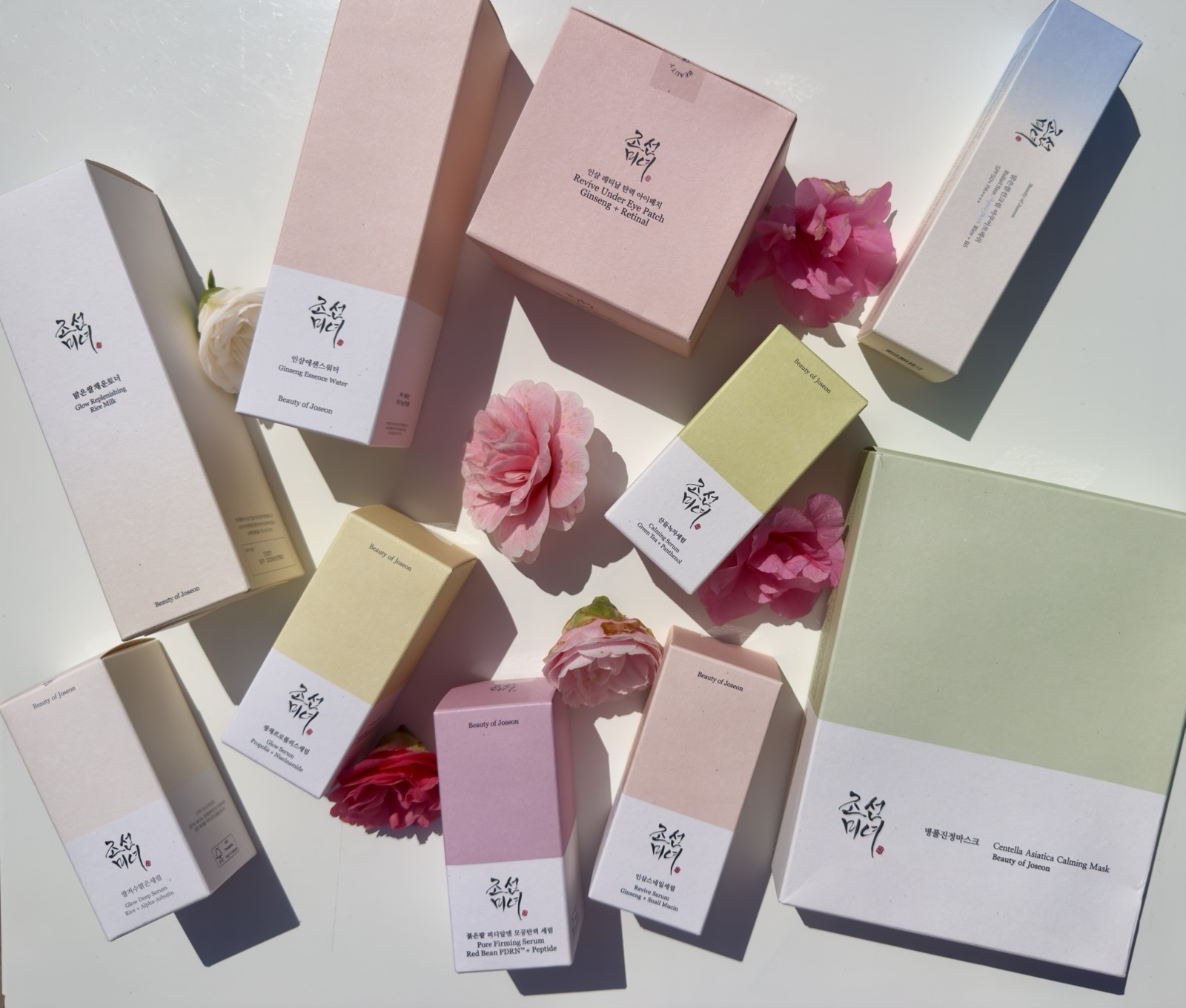
It was also the first creation of face masks, where natural materials were soaked in botanical extracts and applied to the face for deeper hydration and care. This is the era that Beauty of Joseon (as per the name) takes inspiration from. For 500 years, lovers of skincare discovered the benefits of unique ingredients through the only way that they had in the 14th century... trial and error.
Through this, they discovered the deep benefits of ginseng, green tea, mugwort, rice water and it became a big staple of Korean beauty going forward into the modern era.
Western Influence in Korean Beauty (1950s and onwards)
After the Joseon Era fell and Korea left the Japanese Colonial period, they were entering into a world that was becoming intensely more connected and mixed. South Korean companies were eager to follow in the steps of other Asian nations in finding inspiration in Western markets and what was becoming popular in Europe and the US.
The 1960s became an exciting time, when people could shift from creating their own skincare remedies at home to Western style cosmetics that came carefully packaged and often in nostalgic, artistic containers. Amorepacific (Korean beauty titan and owner of Laneige, Innisfree, Sulwhasoo, Aestura, Etude and more), was hitting peak fame in the 1960s and became a household name with fine make-up powders and beauty products.
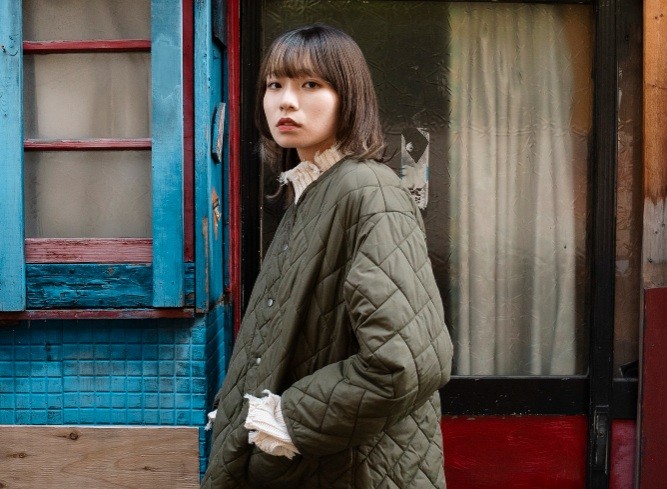
Pop Colours of the 1990s in Korean Make-Up
If you are nostalgic for old school Korean beauty, chances are you’re not really thinking back to the Joseon era. Like many ‘I used it before it was cool’ fans, you might be missing the stunning and bold colours of the 1990s and early 2000s. Several South Korean brands, like Missha, Etude House, Peripera and Mamonde heralded in this sugar-pop-pink look, complete with white/blue eyeshadows, bold eyeliner and it was a time of self expression and experimentation.
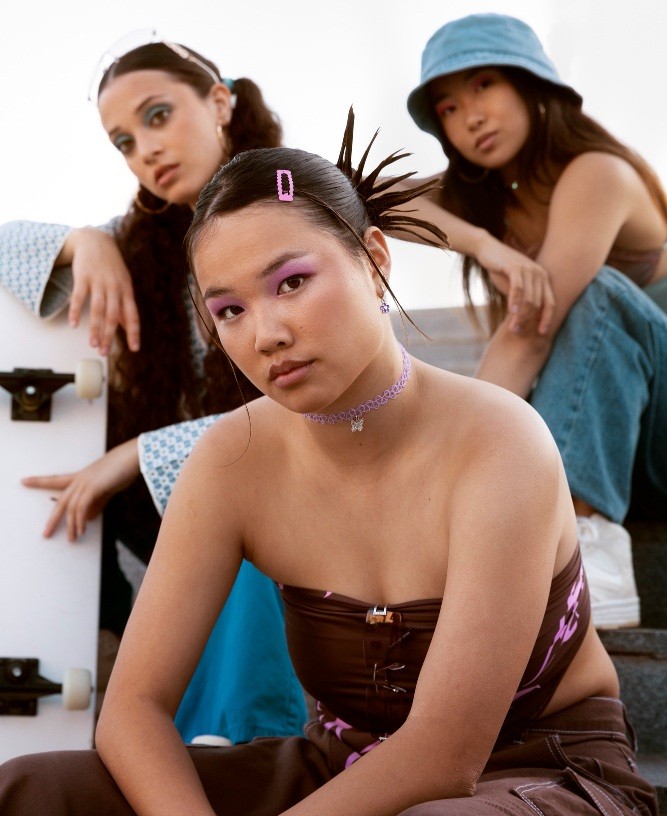
There will always be nostalgia for days just gone by, but boy these were fun times. Getting to experiment more boldly with judgement only lasting as long as the look (without the endless visibility of the online era), with lots of looks designed just for you!
In this era, BB creams and make-up was some of the best creations by South Korea. The formulas were incredibly lightweight, well-blended and designed for ease of use and smooth, matte looks that lasted any party.
The Boom of K-Beauty across the Globe
Everyyyyyybody always talks about the insane explosion of Korean beauty across the world. But it only maybe looks insane if you were on the outside. For long-term Korean beauty users, it really just makes sense.
As competition grew worldwide and the internet created a global stage, Korean beauty had its own inner competition that was far more fierce.

Genuine beauty standards inside South Korea can be terrifying. How you look is all-consuming, stressful and an hourly AM/PM routine is just not uncommon. It's an unkind standard that means one very important thing;
Koreans will not accept a skincare product that doesn't work.
Something being popular was not about it being trendy or cool, it would rely purely on ‘does this show me physical benefit that I can see on my face?’ If not, chances are it would hit the bins in the next month.
It has become a genuine fervor inside South Korea to be the best and remain the best. Western companies were plodding along, carrying their products by name alone and had no idea what was coming.
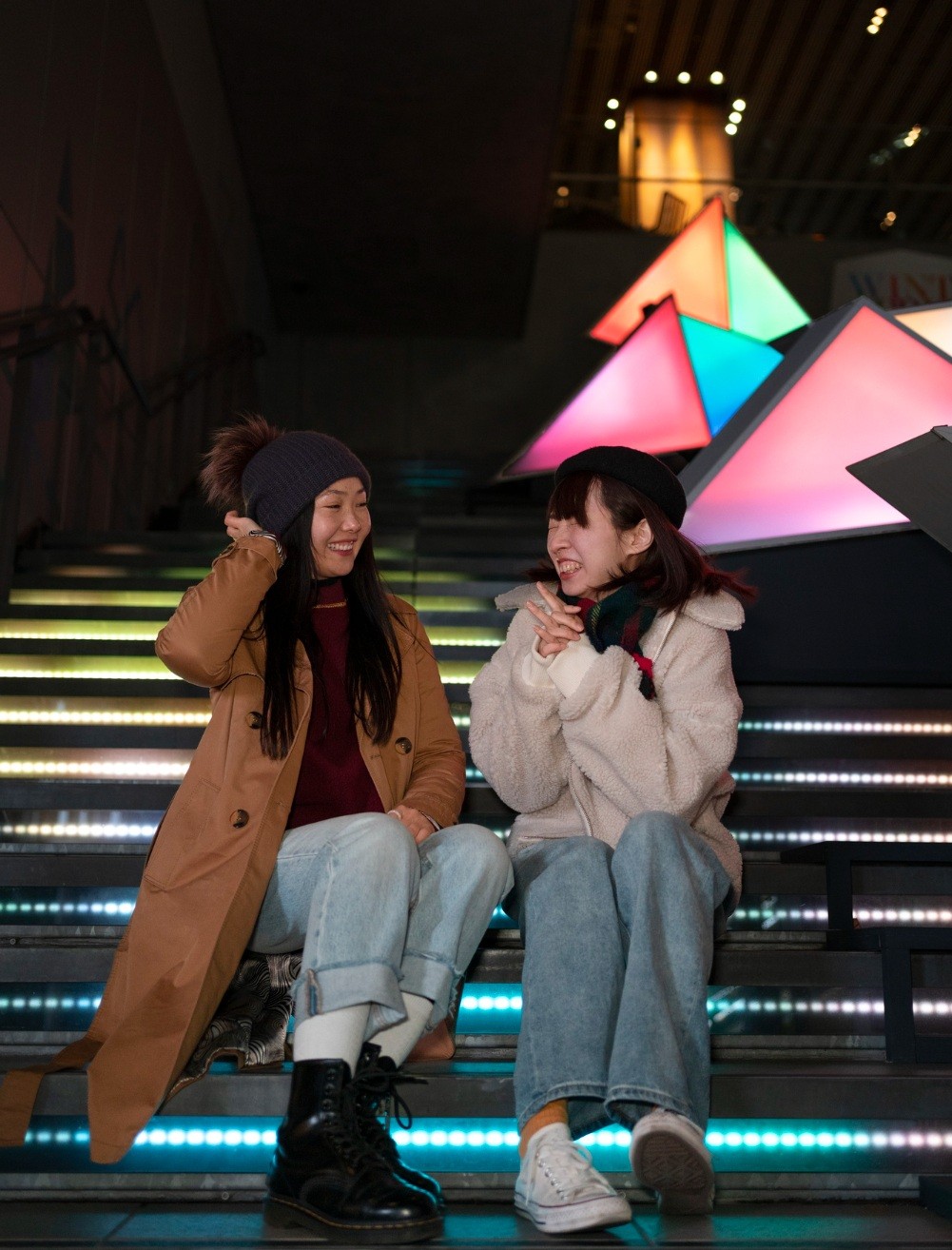
Old formulas and products never stay the same for long and are always optimising, adding in popular products (i.e. PDRN was added into everything and the new 2026 ingredient is retinal).
Where western brands formula remixes are almost always worse (read: shrinkflation), Korean companies are under the pump and tend to add more ingredients, more expensive formulas and are straining to keep relevance.
The Future of Korean Beauty
So, where next? It's really likely that if Korean beauty keeps up this level of ingenuity and competition, other styles of beauty will have no choice but to adapt into the same trends to keep up.
You've probably already seen Western companies start to use Korean ingredients and follow similar trends to try break into the market, but I suspect we will see K-beauty dominance for a long time yet. Where Western markets might model a new skincare product off of a scientific paper or dermatology recommendation, South Korean beauty writes the paper based on their product.
It's cutting edge, it's experimental (some good and some bad) and it's only going to get better.

Want to explore the latest trends before they're happening on TikTok? Check out the latest releases on Arktastic 🐱 the home of curated, custom skincare.
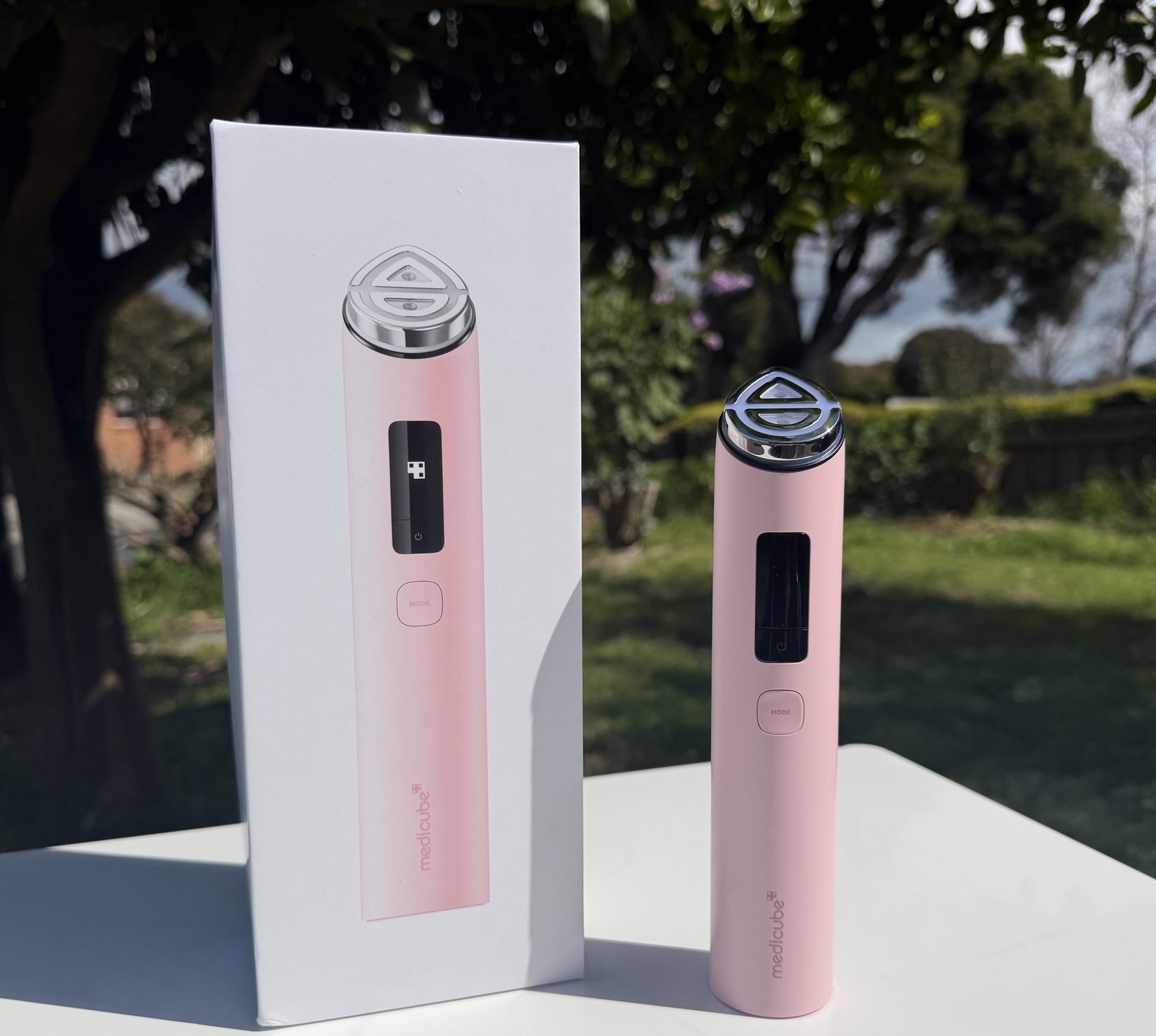
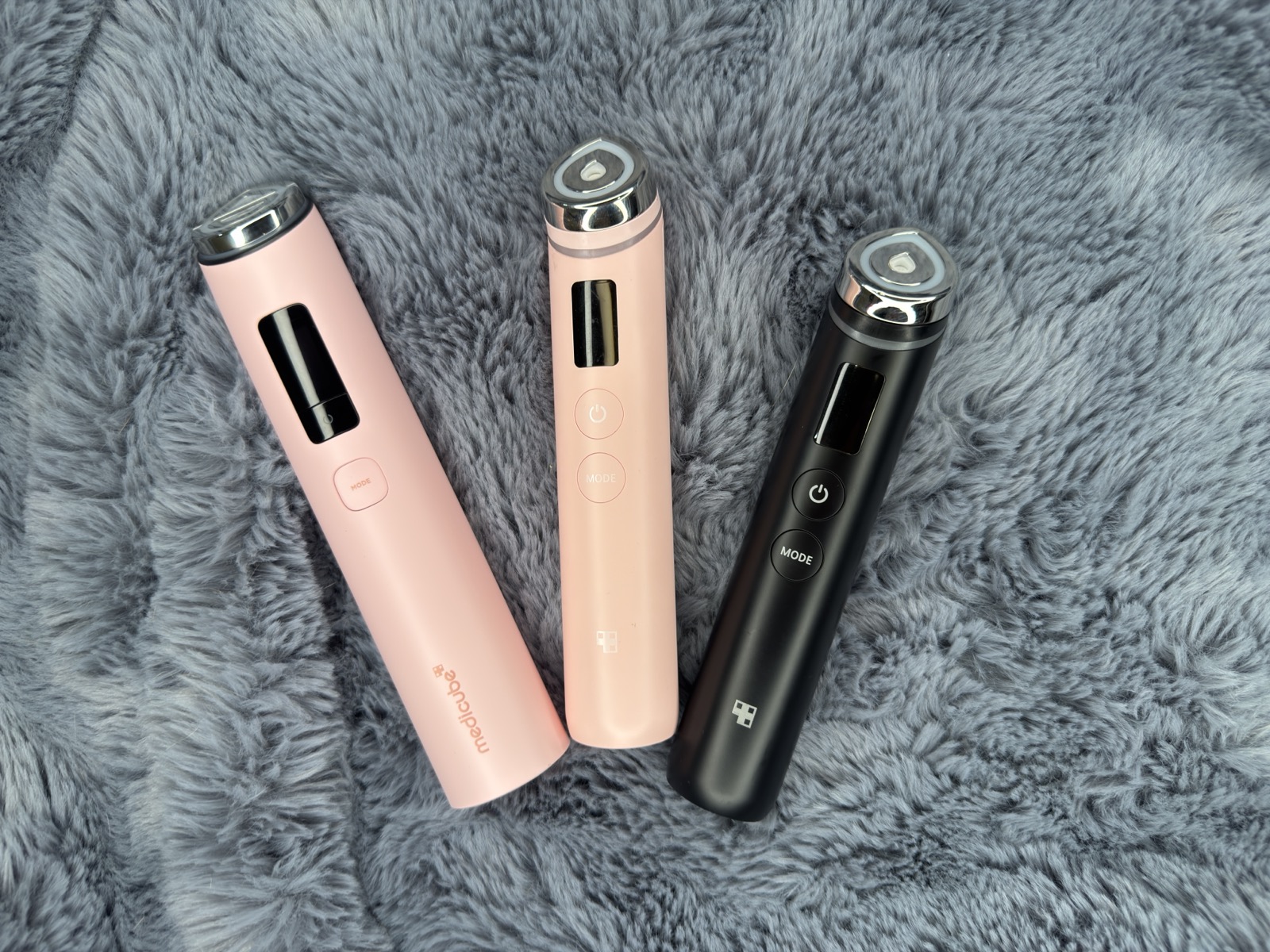
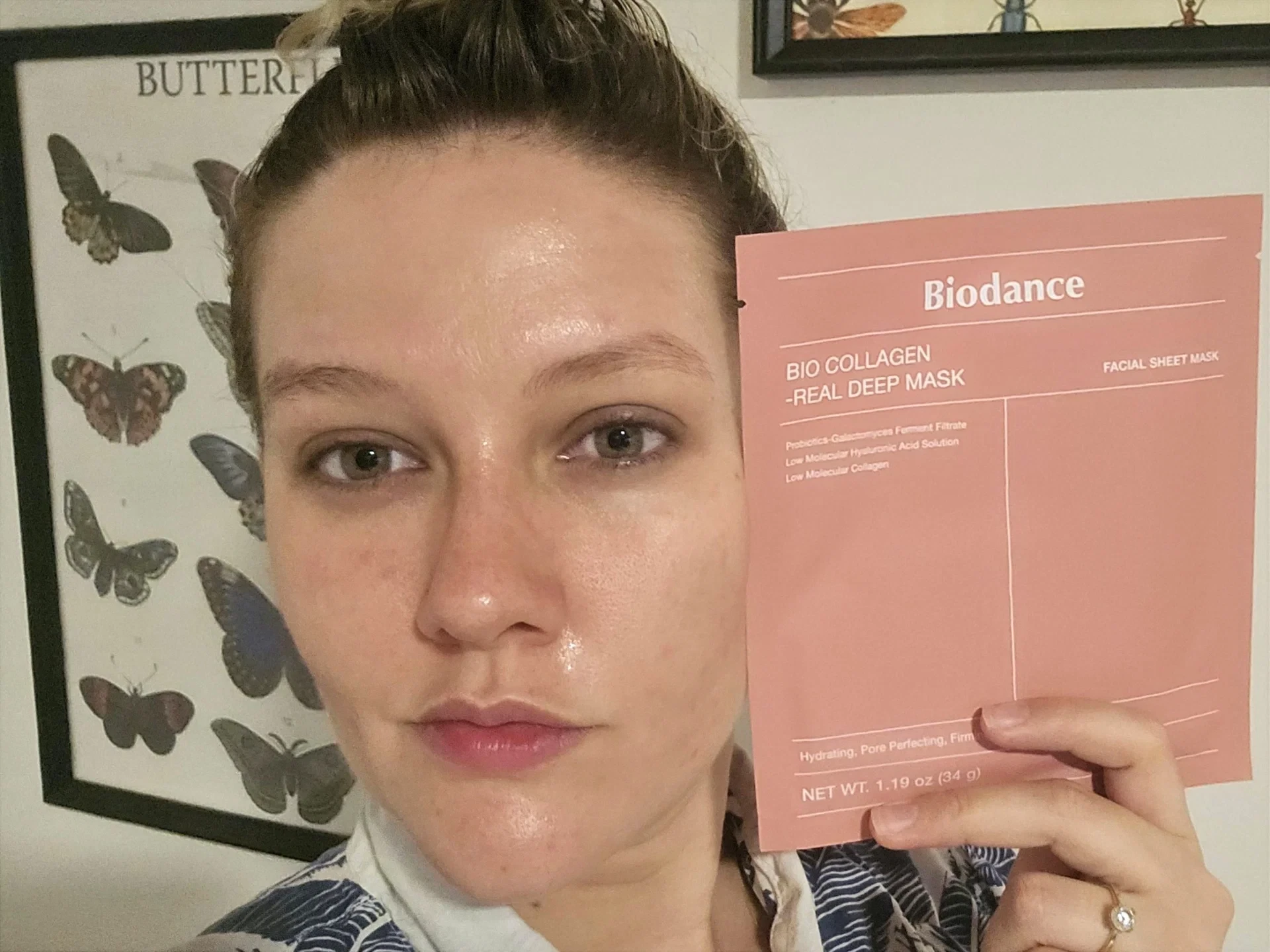
Want to keep up with all the latest Korean beauty trends? We monitor for the coolest new releases from Seoul, from technology (and skin transforming devices) to unique molecular formulas. For the coolest collagen techology, check out our review of the Biodance Bio-Collagen Mask. Or check out our guide to the hottest summer hits this year.

FAQ
Where did Korean beauty come from?
Korean skincare rituals began in the Joseon era, which lasted more than 500 years. People used rice water to cleanse, peppermint or cucumber to tone, and botanical extracts to brighten and hydrate. This is also where the first face masks came from.
Which ingredients did the Joseon era make popular?
Ginseng, green tea, mugwort and rice water became staples of Korean beauty and are still used in many products today. Beauty of Joseon takes its inspiration from this era.
How did Western beauty change K-beauty?
From the 1960s, Korean companies took inspiration from Western cosmetics. People moved from home remedies to packaged beauty products. Amorepacific, the owner of Laneige, Innisfree and Sulwhasoo, became a household name in that decade.
Why did K-beauty become so popular worldwide?
The competition inside South Korea is intense, and shoppers expect products to show a visible benefit. Brands keep improving their formulas, so products that don't work don't last. The internet then carried those products to a global audience.
What are the latest K-beauty ingredients?
PDRN has been added to a huge range of products, and retinal is the new ingredient to watch in 2026.
Where is Korean beauty heading next?
Expect more innovation in skincare devices and unique molecular formulas, with Western brands increasingly borrowing Korean ingredients and trends.
Where can I shop K-beauty in Australia?
Arktastic stocks curated Korean skincare, including Beauty of Joseon, Laneige and Medicube, with delivery across Australia.